Ledger Live: Crypto Wallet Features Overview
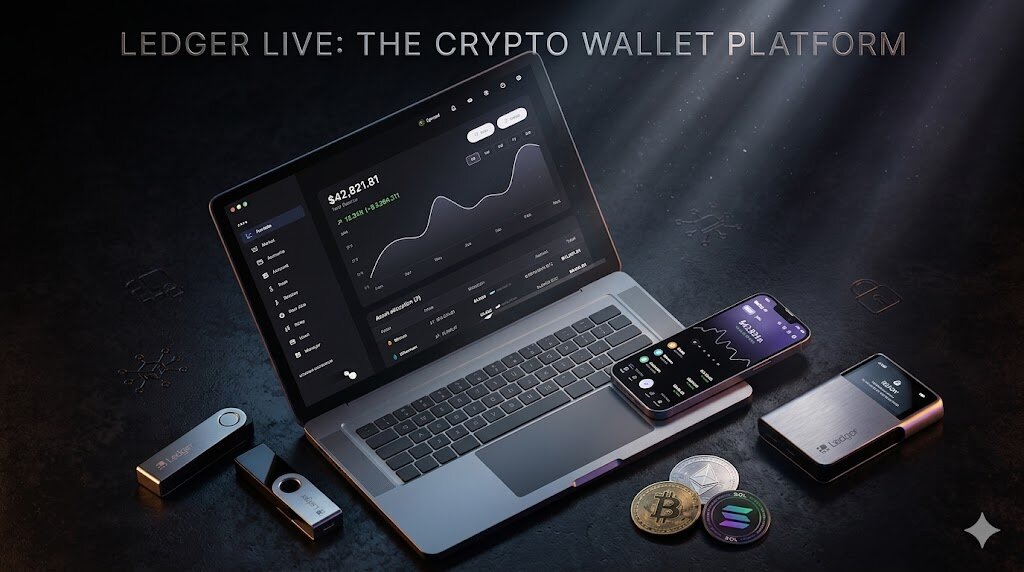
Ledger Live serves as the official software platform that brings together the comprehensive feature set Ledger users access for daily crypto management. The Ledger Live feature collection covers everything from basic wallet operations through advanced ecosystem integrations, with the application providing a unified interface for the various activities that crypto users typically need across their holdings.
Understanding the full Ledger Live feature scope clarifies what the application actually delivers beyond just connecting to hardware wallets. Many users initially explore only the most basic features like sending and receiving, missing the broader functionality that distinguishes Ledger Live from simpler wallet applications. The complete feature set supports portfolio management, exchange operations, yield generation, and various other activities that the platform integrates into its unified application interface.
This overview examines Ledger Live features across the primary functional categories. The Ledger Live application combines hardware-secured wallet operations with software-side features that extend the basic security model into broader crypto management capabilities, with the integrated approach producing better operational experience than coordinating separate tools for each function would deliver.
Ledger Live Core Wallet Features
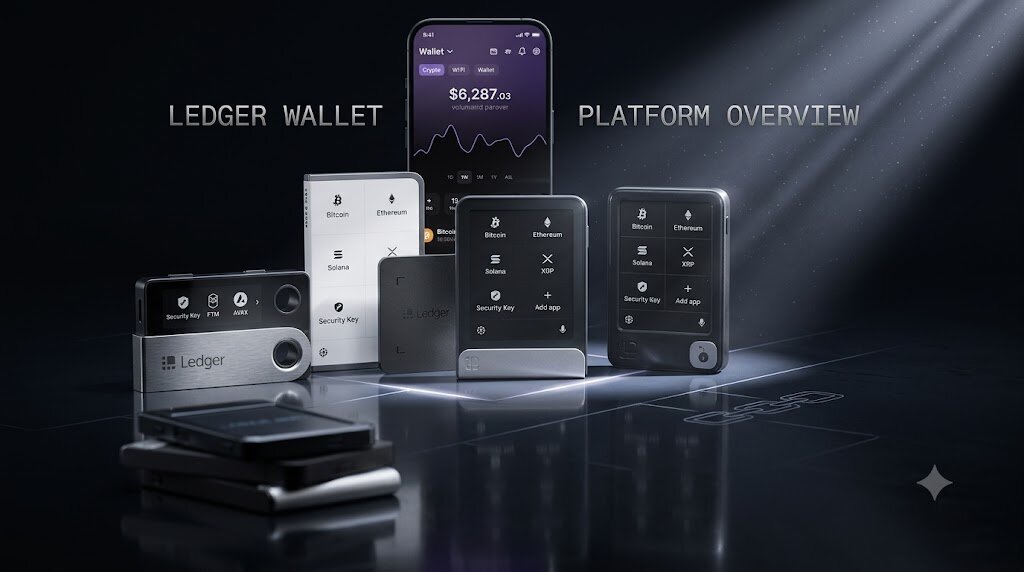
Ledger Live core wallet features handle the fundamental activities that define what wallet applications do. Understanding core features clarifies the foundation that other capabilities build upon.
Multi-Asset Account Management
Ledger Live multi-asset account management lets users coordinate holdings across thousands of crypto assets through a single application. The Ledger Live application supports Bitcoin, Ethereum, and most major cryptocurrencies through native integrations, with each blockchain having its corresponding chain-specific app on the connected hardware device. Account management scales from simple single-asset usage through sophisticated multi-blockchain arrangements that serious crypto users develop over time. The Ledger Live multi-asset approach eliminates the need for separate wallet applications for each cryptocurrency, with the unified interface handling everything from address generation through balance tracking across the broader portfolio. Users running diverse crypto holdings particularly benefit from the consolidated management that Ledger Live provides through its single application interface.
Send and Receive Operations
Send and receive operations in Ledger Live handle the fundamental cryptocurrency transfers that every wallet supports. The Ledger Live send functionality prepares transactions for hardware device authorization, with users entering recipient addresses and amounts before the connected device signs the transaction after on-screen verification. Receive operations generate addresses for incoming transfers, with the addresses verifiable on the device screen to catch any potential address substitution attacks. Both operations work consistently across all supported blockchains through interfaces that adapt to chain-specific requirements while maintaining familiar overall patterns. The Ledger Live operational consistency reduces the learning curve that users would otherwise face when working across multiple cryptocurrencies that each have their own technical specifics underneath the user-facing operations.
Portfolio Tracking Display
Portfolio tracking display in Ledger Live aggregates all holdings across all accounts into unified views. The Ledger Live application calculates total portfolio value using real-time price data, with the calculation updating as markets move and as account balances change through user activity. Portfolio displays show allocation percentages across different assets, historical performance over various timeframes, and various other metrics that help users understand their holdings comprehensively. The Ledger Live portfolio tracking eliminates the manual work that combining holdings across separate wallet applications would otherwise require. Users monitoring substantial crypto holdings find the integrated portfolio view useful for maintaining awareness of their positions without needing separate portfolio tracking tools beyond the wallet application itself.
Ledger Live Feature Set
| Ledger Live Feature Category | Primary Function | Hardware Required |
|---|---|---|
| Account management | Multi-asset organization | Connected device |
| Send and receive | Asset transfers | Connected device |
| Portfolio tracking | Holdings aggregation | Optional |
| Swap functionality | Asset exchanges | Connected device |
| Buy operations | Fiat purchases | Connected device |
| Staking integration | Yield generation | Connected device |
| Token management | Custom token support | Connected device |
| Transaction history | Operation records | None for viewing |
Ledger Live Exchange and Yield Features

Ledger Live exchange and yield features extend basic wallet functionality into more advanced operational categories. Understanding these features clarifies the broader capability range.
Asset Swap Capabilities
Asset swap capabilities through Ledger Live let users exchange between supported cryptocurrencies without leaving the application. The Ledger Live swap functionality routes through integrated providers including centralized exchanges and DEX aggregators, with users seeing quotes from multiple sources before selecting their preferred execution. Swaps preserve the hardware security model since transactions still require device authorization, while eliminating the friction of transferring assets to external exchanges for routine conversions. The Ledger Live swap integration covers various asset pairs across the supported blockchain ecosystem, with the multi-provider approach producing competitive rates through provider competition. Users handling regular asset conversions benefit from the integrated swap functionality compared to maintaining separate exchange accounts that would handle these conversions through more complex workflows.
Crypto Purchase Integration
Crypto purchase integration in Ledger Live enables direct fiat-to-crypto buying through integrated payment providers. The Ledger Live buy crypto feature connects to services like MoonPay, Coinify, and various other providers that handle the actual fiat collection and crypto delivery. Purchased assets deliver directly to Ledger accounts, eliminating manual transfer steps that purchases through external exchanges would require. The integrated purchase functionality particularly benefits users specifically wanting self-custody as their crypto management approach, with the direct delivery removing the temptation or operational friction that might leave purchased crypto on exchanges longer than intended. Payment methods vary by provider and user region, with credit cards, bank transfers, and various digital payment options being available depending on the specific provider supporting each user's situation.
Staking and Earn Functions
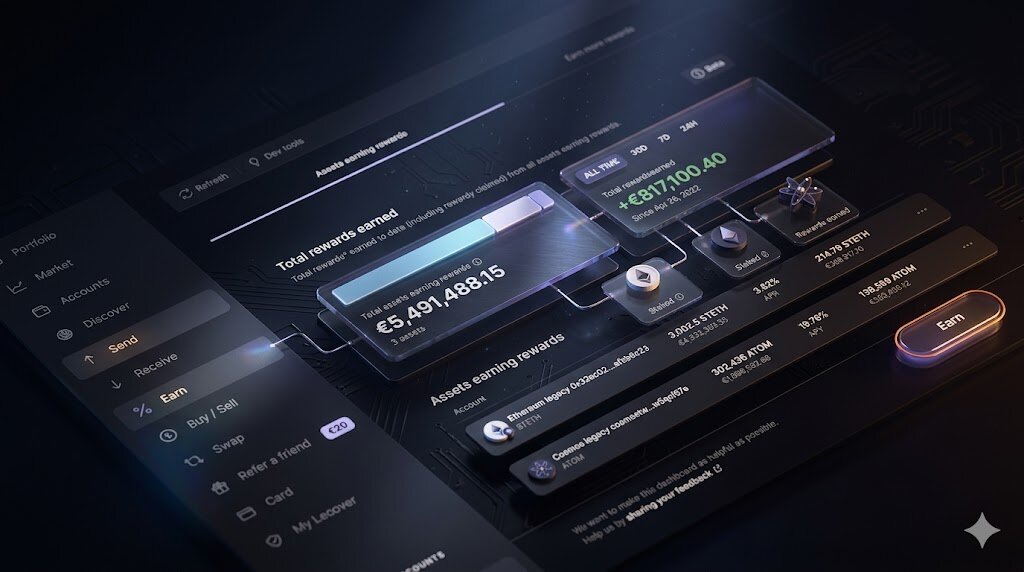
Staking and earn functions in Ledger Live let users generate yield on eligible holdings without moving assets out of their hardware-secured wallets. The Ledger Live staking covers networks like Ethereum, Solana, Cosmos, Polkadot, and various other blockchains where staking represents part of native protocol operation. Users delegate their assets through the Ledger Live interface while the connected hardware device signs the required transactions, with the assets remaining in their wallets throughout the staking process. Earn features extend beyond just native staking to include various DeFi yield opportunities that the platform integrates, with the broader yield landscape becoming accessible without requiring users to navigate individual DeFi protocol interfaces directly. The Ledger Live yield features represent valuable additions for users holding stakeable assets where the yield can produce meaningful returns over extended holding periods.
Ledger Live Security and Privacy Features
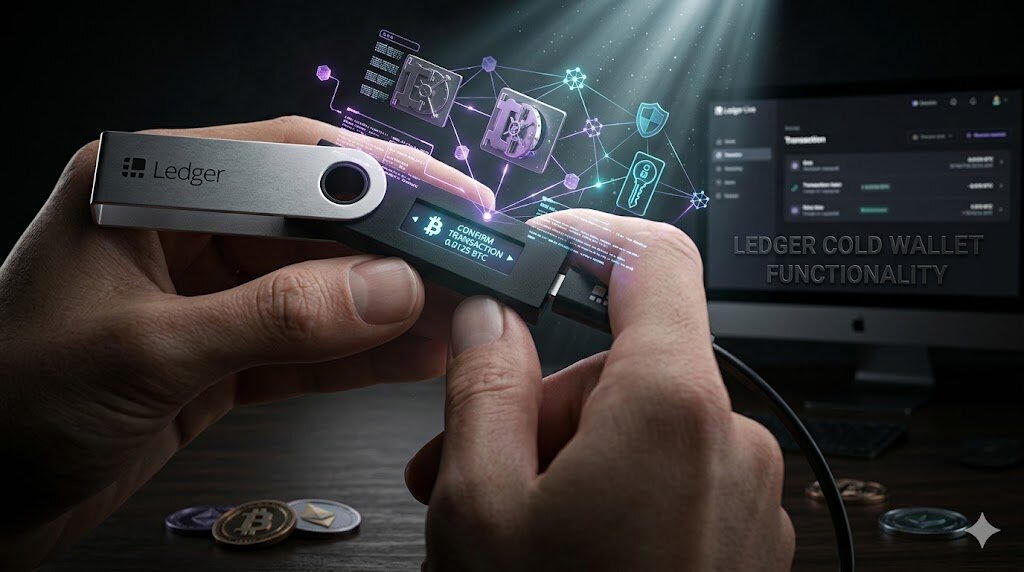
Ledger Live security and privacy features address the protective aspects that define the platform's value beyond basic functionality. Understanding security features clarifies what protections the application provides.
Hardware-Based Transaction Authorization
Hardware-based transaction authorization in Ledger Live ensures every transaction requires physical device confirmation. The Ledger Live application sends transaction data to the connected hardware device, which displays details on its own screen for user verification before signing. The authorization flow protects against malware-driven attacks that might attempt to modify transaction details between user approval and execution, since the device display shows actual transaction details independently of what the computer might show. The Ledger Live verification model represents one of the most important security features the platform provides, with the on-device confirmation catching manipulation regardless of how it reached the user's transaction flow. Users completing standard transactions benefit from this verification automatically without needing to perform additional security checks beyond the brief device-screen review.
Application Authentication Options
Application authentication options in Ledger Live add user-interface protection alongside the hardware-based security. The Ledger Live application supports optional password protection that locks the interface when users step away, requiring password entry to resume the session. The password protection doesn't affect the underlying cryptographic security since private keys never reside in the application, but it does protect privacy of displayed portfolio information from anyone who might access the device when users aren't actively using it. Authentication options scale based on user preferences, with users choosing between maximum convenience without additional authentication or stronger interface privacy through password protection that requires explicit unlock for application access.
Recovery Phrase Protection
Recovery phrase protection in Ledger Live operates through architectural choices that keep recovery phrases entirely outside the application. The Ledger Live application never stores recovery phrases, never transmits them, and never displays them outside the initial setup flow that generates them on the device screen. The architectural separation means even fully compromised computers running Ledger Live cannot expose recovery phrases to attackers, since the phrases exist only on the hardware device and in user-managed offline backups. The recovery phrase protection extends to the optional Ledger Recover service that splits phrases across multiple providers through cryptographic sharding, providing institutional-style backup alternatives without compromising the fundamental architectural protection that keeps phrases away from application-accessible storage.
Ledger Live Operational Features
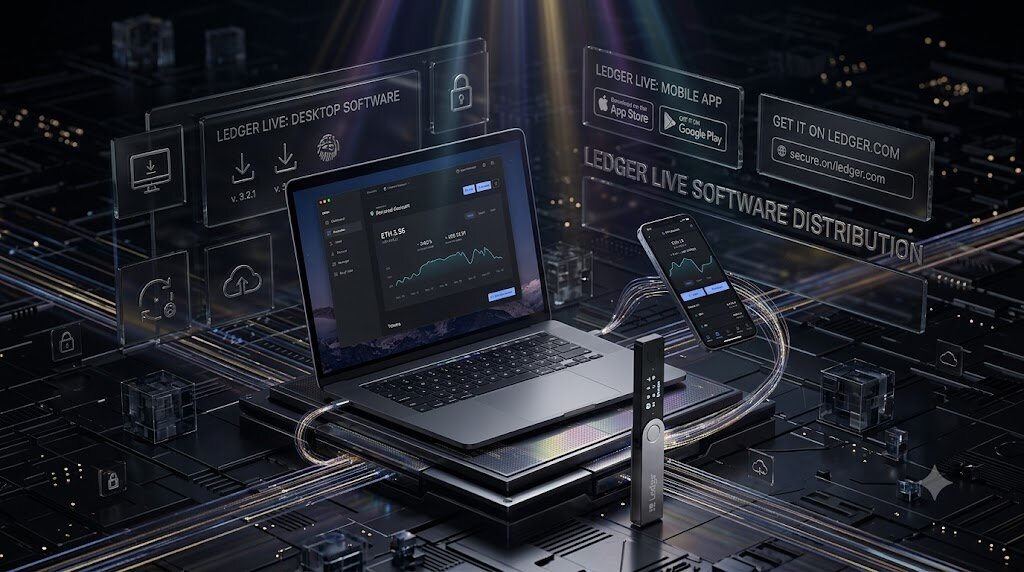
Ledger Live operational features cover the day-to-day functionality that users exercise through normal application usage. Understanding operational features clarifies the daily user experience.
Transaction History Tracking
Transaction history tracking in Ledger Live provides comprehensive records of all operations across all accounts. The Ledger Live history view shows transactions chronologically with detailed information including amounts, recipients, timestamps, fees, and various other metadata that helps users understand each operation. Filtering options let users find specific transactions through various search criteria, with the history supporting both casual browsing and detailed research for tax reporting or other record-keeping purposes. Export capabilities let users generate transaction history files in formats compatible with various external tools including tax software. The Ledger Live history features benefit users who need detailed records of their crypto activity beyond just current balance information, with the comprehensive tracking eliminating the manual record-keeping that wallet applications without history features would require.
Custom Token Support
Custom token support in Ledger Live handles assets beyond the default supported lists. The Ledger Live application lets users add custom tokens through contract address entry, with the application then tracking these tokens alongside default-supported assets. Custom token addition particularly matters for users active in DeFi where new tokens regularly appear that default lists don't yet include. The token management features include adding tokens to existing accounts, removing tokens no longer relevant to users, and various other organizational aspects. The Ledger Live custom token capability extends the application's usefulness across the broader range of crypto activities, ensuring users can manage virtually any standard-compliant token through the unified application interface regardless of whether the platform's default lists include each specific token explicitly.
Update and Maintenance Workflows
Update and maintenance workflows in Ledger Live handle the ongoing changes that keep the application current. The Ledger Live update infrastructure includes both application-level updates affecting the software and firmware-level updates affecting connected devices. Updates flow through built-in notification systems that alert users when new versions become available, with the update process handling technical details automatically. Maintenance workflows include app installation management on devices, troubleshooting tools for common issues, and various other operational support functions. The Ledger Live maintenance capabilities ensure long-term usability rather than just providing initial functionality that degrades over time, with the ongoing updates and maintenance support extending the platform's useful life across years of active usage.
The major Ledger Live feature categories include the following:
- Multi-asset account management across thousands of cryptocurrencies
- Send and receive operations with hardware-based authorization
- Portfolio tracking displaying aggregated holdings across accounts
- Asset swap capabilities through integrated exchange providers
- Crypto purchase integration via fiat onramp services
- Staking and earn functions for yield generation
- Transaction history tracking with detailed records
- Custom token support extending default asset coverage
Ledger Live Ecosystem Features
Ledger Live ecosystem features extend the application beyond standalone wallet functionality through various external integrations. Understanding ecosystem features clarifies the broader platform reach.
Third-Party Wallet Compatibility
Third-party wallet compatibility extends Ledger Live functionality through compatible external wallets. The Ledger Live hardware integration works alongside wallets like MetaMask, Rabby, and various others that connect to Ledger devices for transaction signing. The third-party compatibility lets users access DeFi protocols and various other applications that Ledger Live itself doesn't directly integrate, with the hardware providing security regardless of which interface the user employs. The flexibility represents one of the valuable aspects of the broader Ledger ecosystem, since users aren't locked into the official application for every possible interaction. The Ledger Live hardware wallet works across the broader Web3 ecosystem through these compatible interfaces that handle their own specific integration scopes.
dApp Browser Integration
dApp browser integration in Ledger Live provides access to decentralized applications through the platform itself. The Ledger Live dApp integration includes selected decentralized applications accessible directly through the application interface, with hardware-based authorization protecting all interactions. The integrated dApp access lets users participate in various DeFi activities without leaving the Ledger Live application or managing separate wallet connections through external tools. The dApp browser features evolve as the broader DeFi ecosystem grows, with new integrations sometimes appearing alongside the existing supported applications. Users participating in DeFi activities benefit from the integrated approach that maintains hardware security while providing access to the broader ecosystem activities that crypto users increasingly engage with regularly.
Multi-Platform Coordination
Multi-platform coordination in Ledger Live lets users access accounts across multiple devices through coordinated installations. The Ledger Live application installs independently on desktop and mobile platforms, with each installation accessing the same accounts through the shared hardware device that holds the underlying recovery phrase. Cross-platform coordination through optional features like Ledger Sync propagates account configurations between installations, reducing the manual setup work across multiple devices. The multi-platform features benefit users running across various devices for different purposes, with the consistent access regardless of device choice maintaining operational continuity across diverse usage patterns that modern crypto users typically develop over their ongoing engagement with the platform.
Common Ledger Live feature characteristics across the broader application include:
- Multi-asset support across thousands of cryptocurrencies
- Hardware device integration for security-critical operations
- Portfolio aggregation showing total holdings across accounts
- Real-time price data integration for supported assets
- Integrated swap functionality with multiple providers
- Direct crypto purchase through onramp partner services
- Staking and earn features for eligible blockchain networks
- Custom token support beyond default asset lists
- Cross-platform availability across desktop and mobile
- Third-party wallet compatibility extending ecosystem reach